August 19 /2026
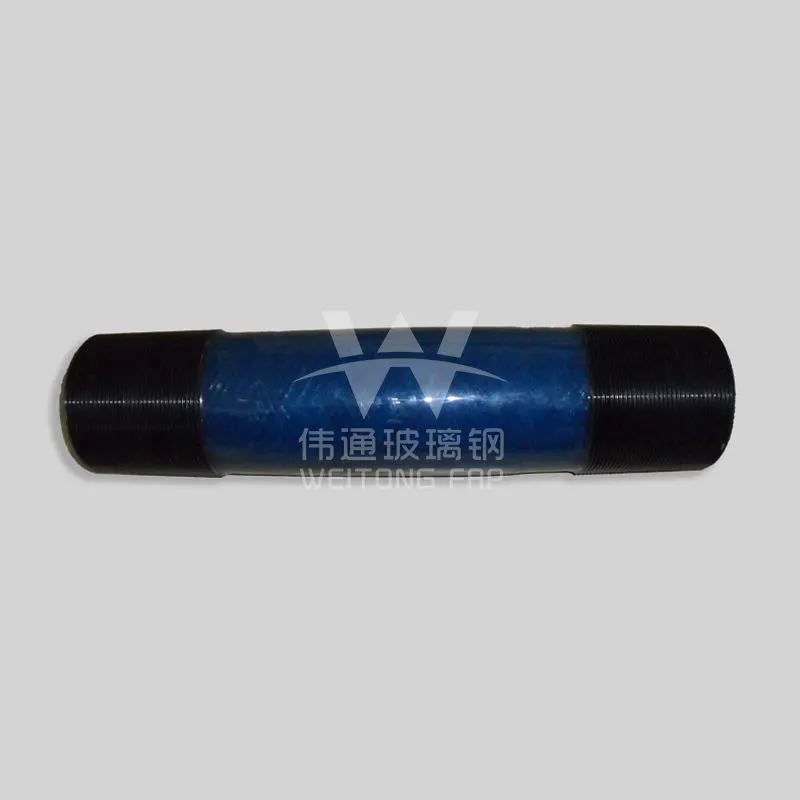
Fiber-wound epoxy FRP (Fiber Reinforced Polymer) pipes are composite materials that incorporate high-strength fibers, such as glass or carbon, into a resin matrix. This combination creates a lightweight material that can withstand high pressure and corrosive environments, making it ideal for various industrial applications.
The unique construction of fiber-wound epoxy FRP pipes allows them to endure significantly higher pressures than traditional materials. This is due to the tensile strength of the fibers and the rigidity provided by the epoxy resin.
FRP pipes are resistant to a wide array of chemicals, which makes them suitable for applications where corrosion would typically be a concern. This leads to longer service life and lower maintenance costs.
Fiber-wound epoxy pipes are much lighter than metal alternatives, easing transportation and installation efforts. Their lighter weight can reduce installation time by as much as 50%.
Evaluate the specific needs of your application, including pressure rating, fluid type, and environmental conditions.
Choose the correct diameter and pressure rating for your project. Consult technical specifications and assess whether you need standard or custom pipe configurations.
Set of wrenches
Pipe cutters
Measuring tape
Sealants and adhesives
Safety gear (gloves, goggles)
Clear the area of any obstacles, ensuring that the site is clean and ready for installation. Make sure that all measurements are confirmed and marked before proceeding.
Securely connect the pipes using the appropriate fittings and adhesives. Ensure that joints are aligned correctly and that there are no gaps to avoid leaks.
Test the connections for stability.
Double-check all seals for proper fit.
Not verifying pressure ratings before selection.
Over-tightening fittings, leading to damage.
Ignoring environmental compatibility of materials.
Neglecting to conduct pressure tests post-installation.
Fiber-wound epoxy FRP pipes from Weitong FRP combine various properties that ensure superior performance in high-pressure and corrosive environments. By following the detailed steps outlined in this guide, you can successfully select, install, and maintain these advanced pipes to maximize their benefits. For further information, please visit here.
We look forward toworking with you.
Feel free to reach out for any queries. We would be happy to help!
RNNAVIGATION
RNNAVIGATION
Categories
Categories
Tel: +86 131 0338 7269 +86 156 3318 0270
E-mail: hbwtww@weitongfrp.com
WhatsApp: +86 156 3318 0270 +86 186 3283 8858
Add.: No.101 Chunfeng Street, Jizhou District, Hengshui City, Hebei Province, China